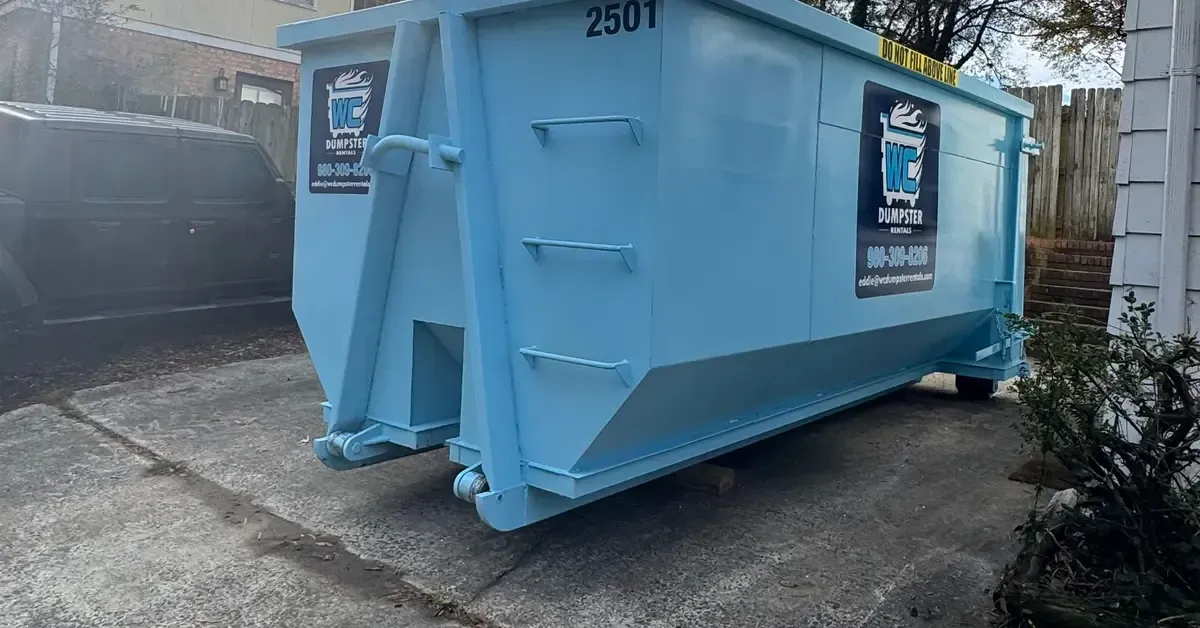
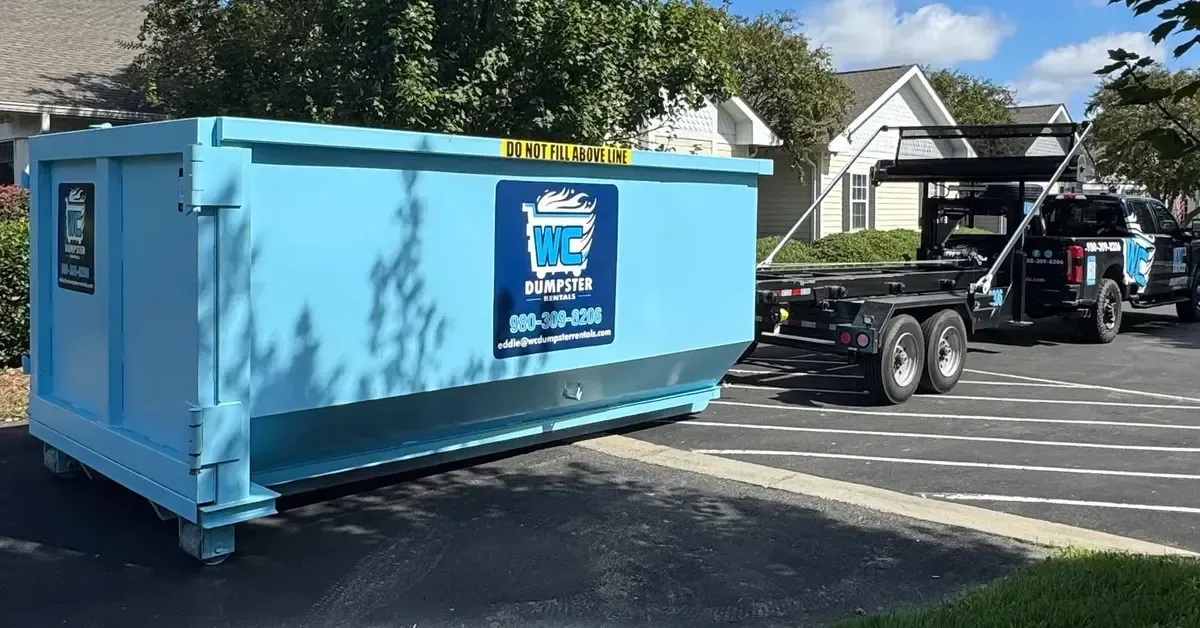
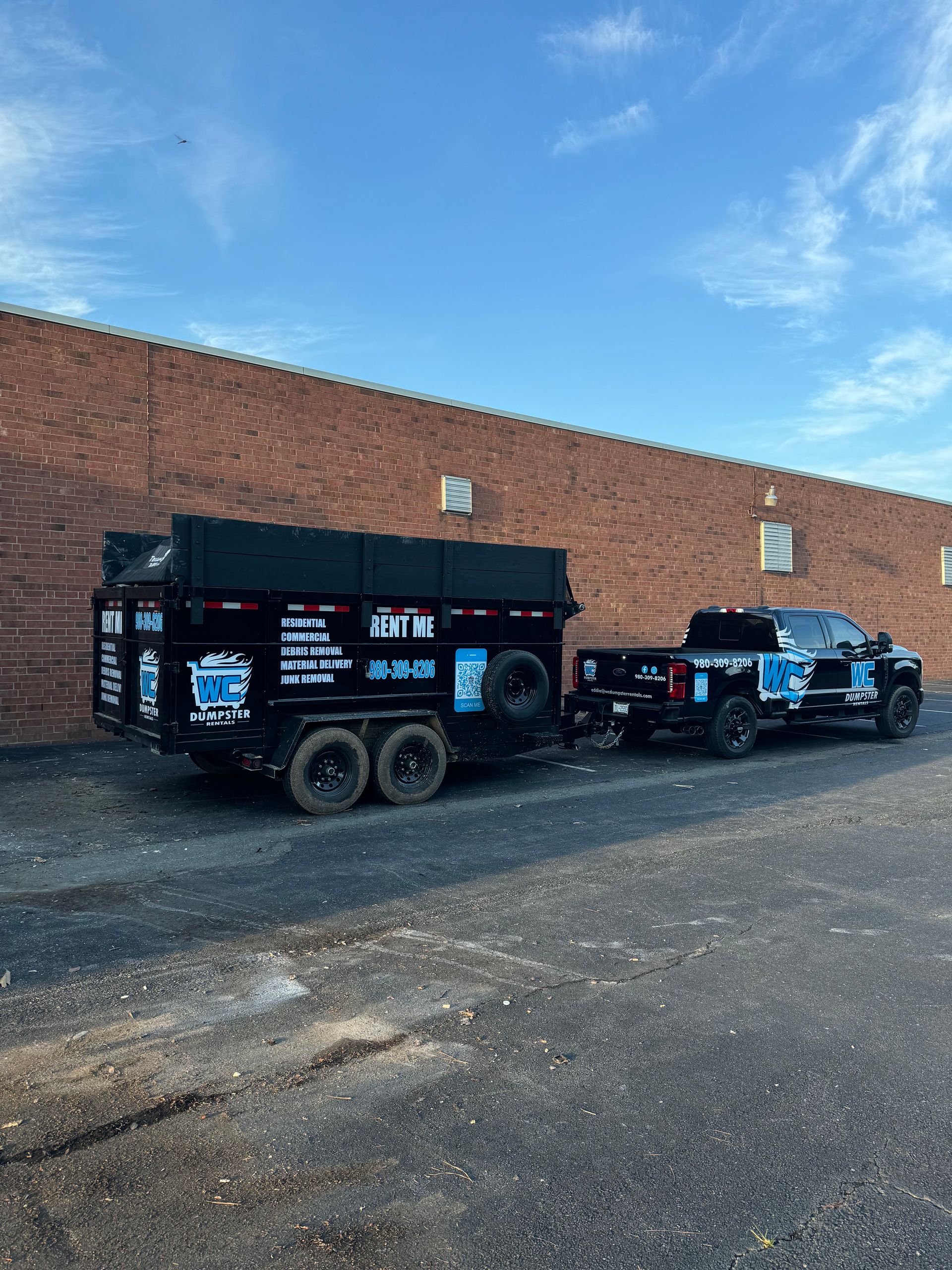
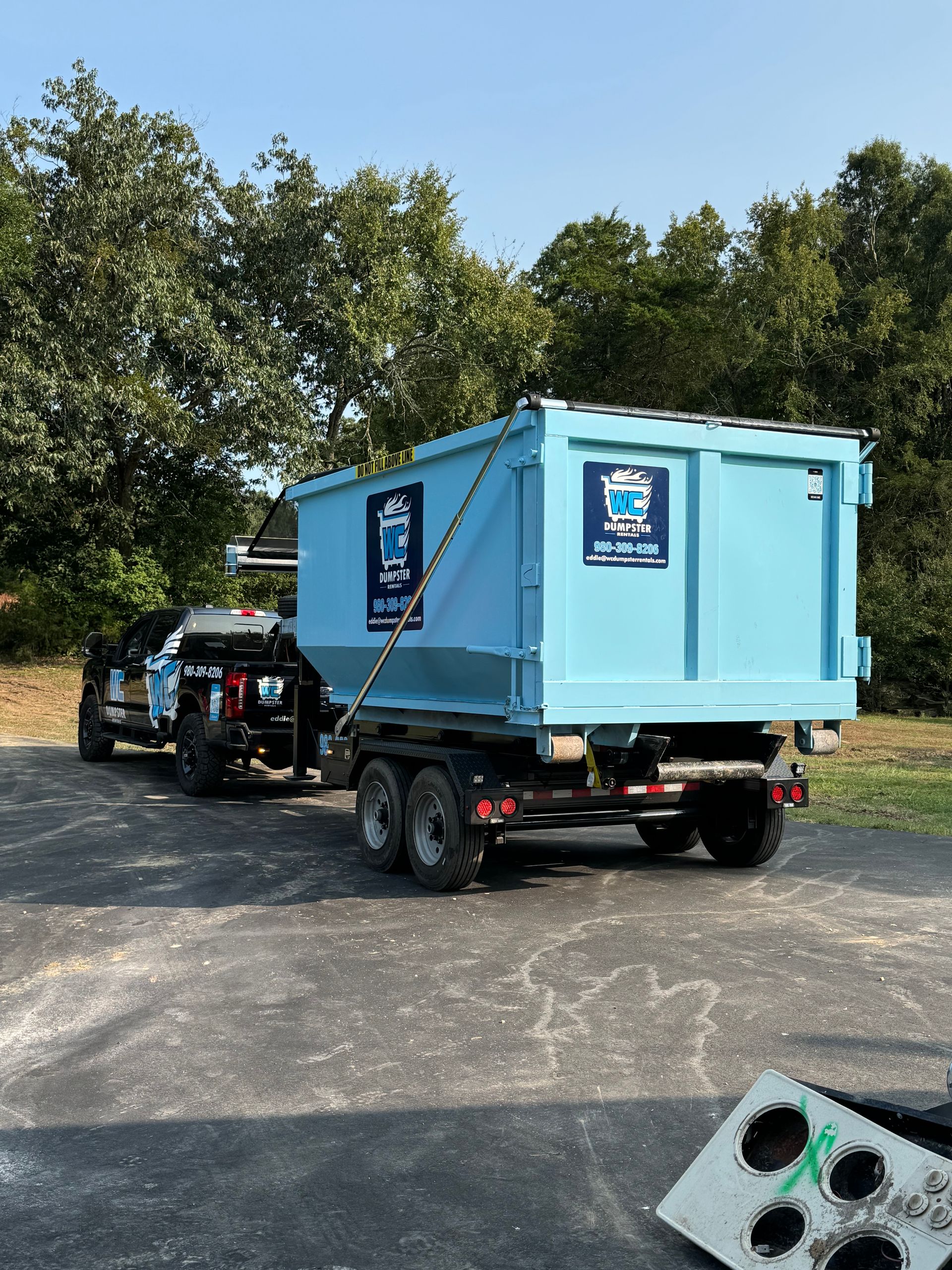
Cleanup and renovation projects often begin with clear goals but can quickly become difficult to manage without a structured waste removal plan. In Charlotte NC, homeowners, contractors, and property managers regularly take on projects that generate more debris than expected, from remodeling and roofing to property cleanouts and construction work.
Arranging a
dumpster rental at the beginning of your project helps maintain organization, improve safety, and prevent unnecessary delays. Understanding how dumpster rentals fit into common projects across Charlotte allows you to approach cleanup with control rather than reacting once materials begin to pile up.
Common Projects That Require a Dumpster
Many projects in Charlotte produce debris beyond what standard curbside collection can handle. Interior renovations often involve drywall, cabinets, flooring, and fixtures that accumulate quickly. Roofing projects generate heavy shingles and underlayment that require contained disposal.
Residential cleanouts, including moves and estate transitions, often include furniture, appliances, and accumulated belongings. Construction and contractor jobs produce framing materials, demolition debris, and packaging waste that must be managed efficiently to maintain workflow.
A properly sized dumpster keeps materials centralized, reduces clutter, and helps maintain a functional job site.
Why Early Planning Improves Efficiency
One of the most common challenges in cleanup projects is underestimating debris volume. Waiting until waste becomes unmanageable can slow progress and create avoidable safety risks.
Planning ahead helps
Maintain a safer work environment
Prevent debris from spreading across the property
Reduce multiple trips to disposal facilities
Keep your project timeline predictable
In Charlotte, where projects range from urban renovations to suburban remodels, structured debris management supports steady progress.
Choosing the Right Dumpster Size
Selecting the appropriate dumpster size is critical for both efficiency and space management. Smaller projects may require moderate capacity, while larger renovations or contractor jobs demand additional volume.
Choosing too small may result in overfilling and additional hauls. Choosing too large may occupy unnecessary driveway or staging space. Evaluating debris type, projected volume, and property layout helps determine the correct fit.
Local providers familiar with Charlotte neighborhoods and access limitations can help guide this decision.
Placement Considerations in Charlotte Neighborhoods
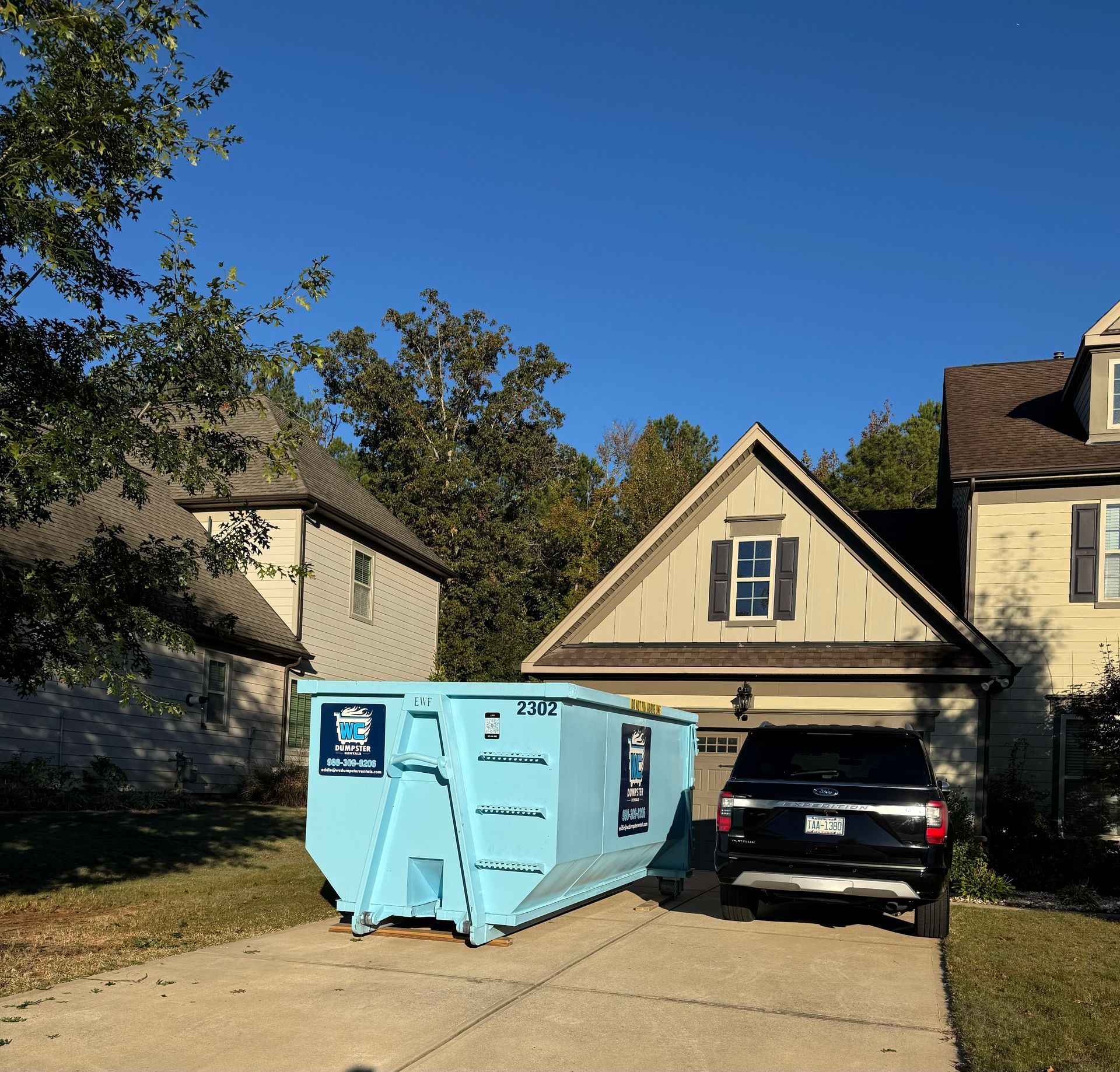
Charlotte includes a mix of established neighborhoods, new developments, and commercial districts. Placement must account for driveway dimensions, HOA guidelines, street access, and property layout.
Before delivery, ensure the placement area is
Clear of vehicles and obstacles
Accessible for safe drop off and pickup
Stable enough to support the container
Proper placement protects property surfaces and ensures smooth retrieval at the end of the rental period.
Understanding Accepted Materials
Knowing what materials can and cannot be placed in the dumpster prevents delays and compliance issues. Most rentals accept general household debris, renovation materials, roofing waste, and construction debris.
Certain materials may require separate disposal due to safety or regulatory restrictions. Confirming acceptable items before loading keeps the process efficient and avoids complications during pickup.
Supporting Charlotte’s Growing Construction and Renovation Activity
Charlotte continues to experience steady residential and commercial growth. Renovations, property updates, and construction activity are ongoing across the region.
Reliable dumpster rentals help maintain professional standards on job sites and residential properties alike. Organized waste containment improves site safety and reduces the visual impact of active projects in neighborhoods and business districts.
What to Expect During a Rental
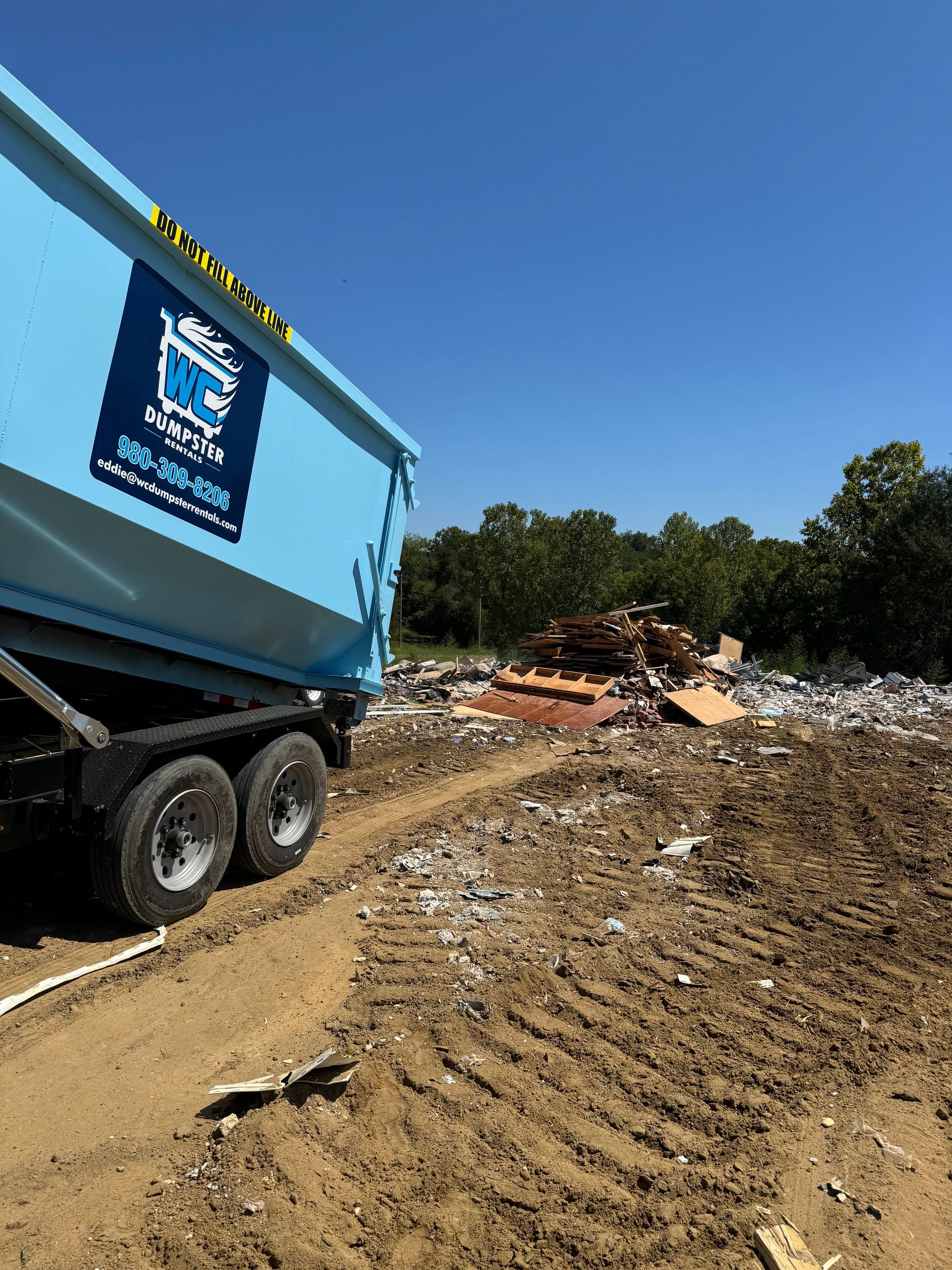
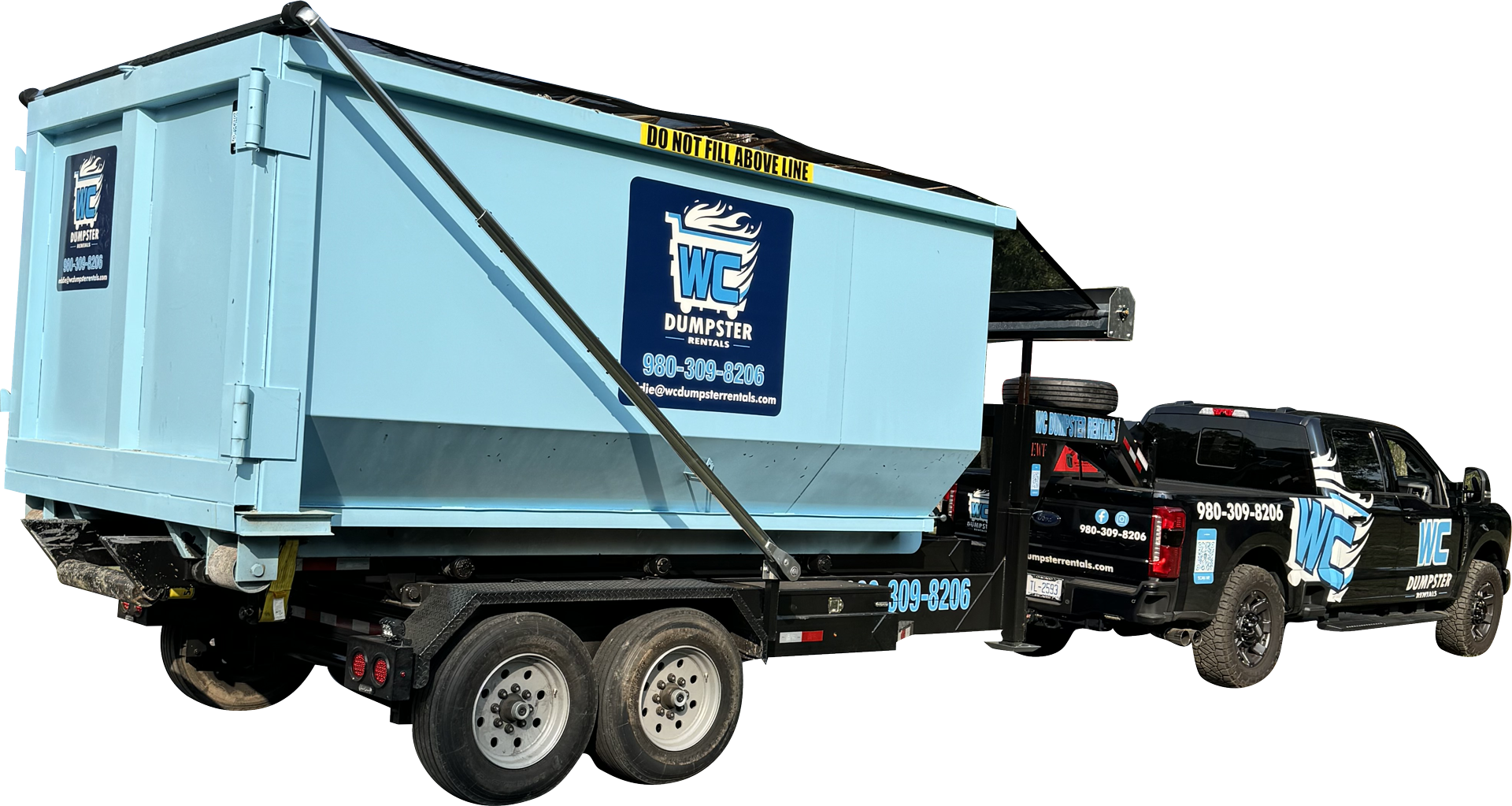
A typical dumpster rental includes scheduling delivery, loading debris throughout the project, and arranging pickup when complete. Clear communication ensures the container arrives on time and is removed promptly.
Loading evenly and staying within fill limits supports safe hauling. The process is designed to remain simple so you can focus on completing the project rather than managing waste logistics.
The Importance of Local Experience
Working with a provider based in Charlotte improves coordination and predictability. Local knowledge includes understanding traffic patterns, neighborhood restrictions, and common project types throughout the city.
This familiarity supports realistic scheduling and smoother adjustments if timelines change. Local communication also improves responsiveness during active projects.
For more details about dumpster rental options in Charlotte NC, homeowners and contractors can review the Charlotte dumpster rental service page on the WC Dumpster Rentals website, which outlines available sizes and rental details specific to the area.
Integrating Waste Management Into Project Planning
Dumpster rental should be part of the initial project plan, not an afterthought. Including waste management early helps maintain continuity between demolition, renovation, and final cleanup.
When debris removal is structured from the beginning, projects remain organized, safer, and more predictable.
Final Thoughts
Dumpster rentals are a practical tool for managing debris during renovation, construction, and cleanout projects in Charlotte NC. With thoughtful planning, proper size selection, and clear communication, waste removal becomes a supportive component of the project rather than a complication.
Approaching debris management with structure helps protect property, maintain safety, and keep projects moving efficiently from start to finish.