A kitchen remodel starts as a straightforward cabinet swap and turns into a full gut job within three days. Old flooring comes up and brings subfloor sections with it. Drywall gets torn out, and suddenly the garage is stacked with debris that has nowhere to go. This is the reality of most home renovation projects, and it catches homeowners off guard far more often than expected.
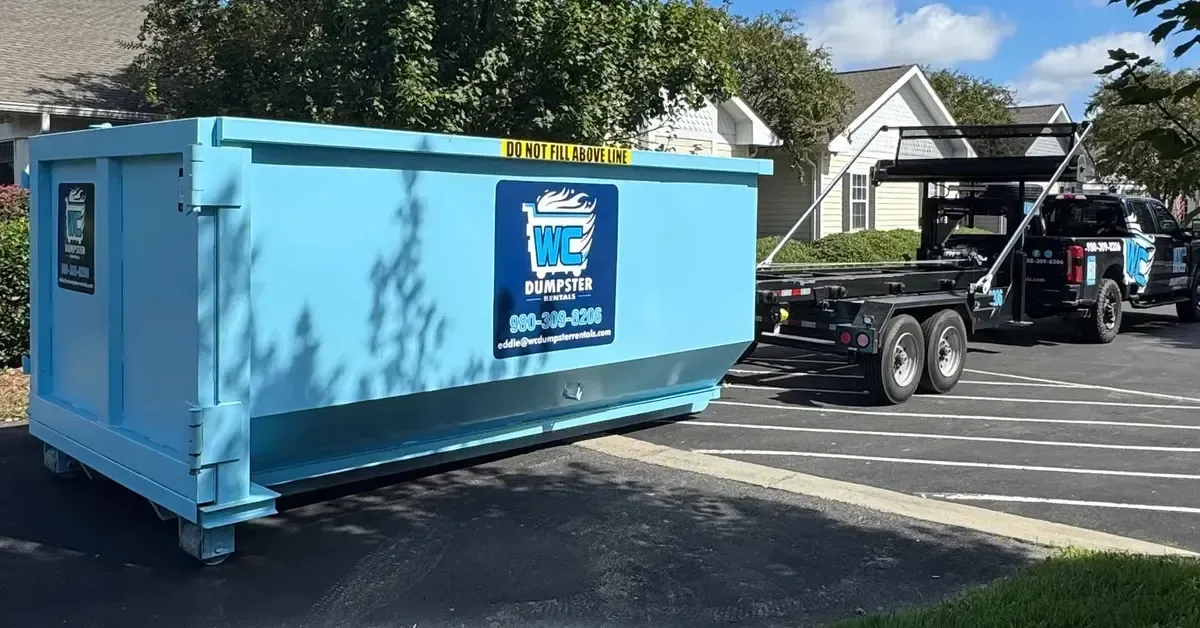
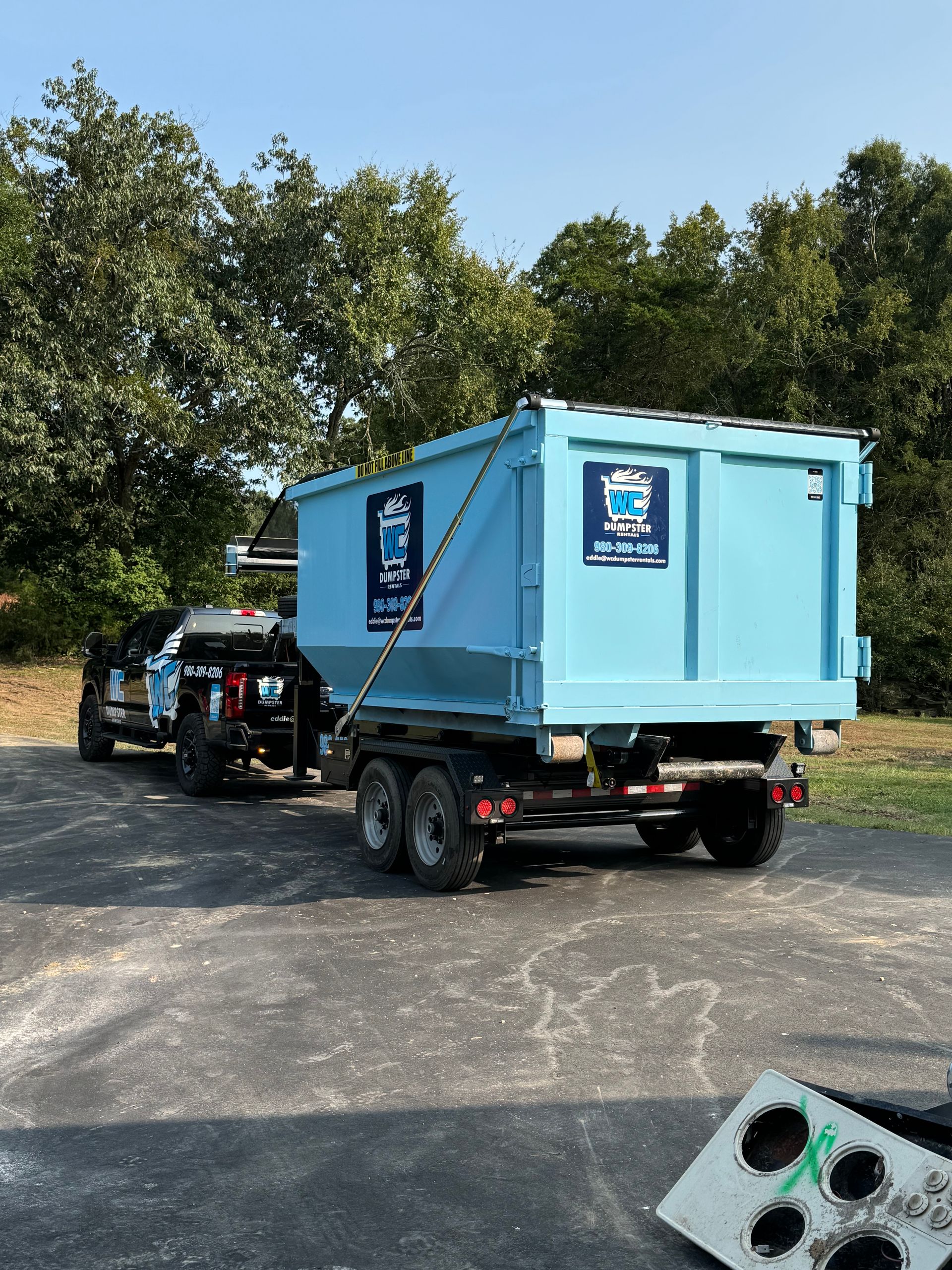
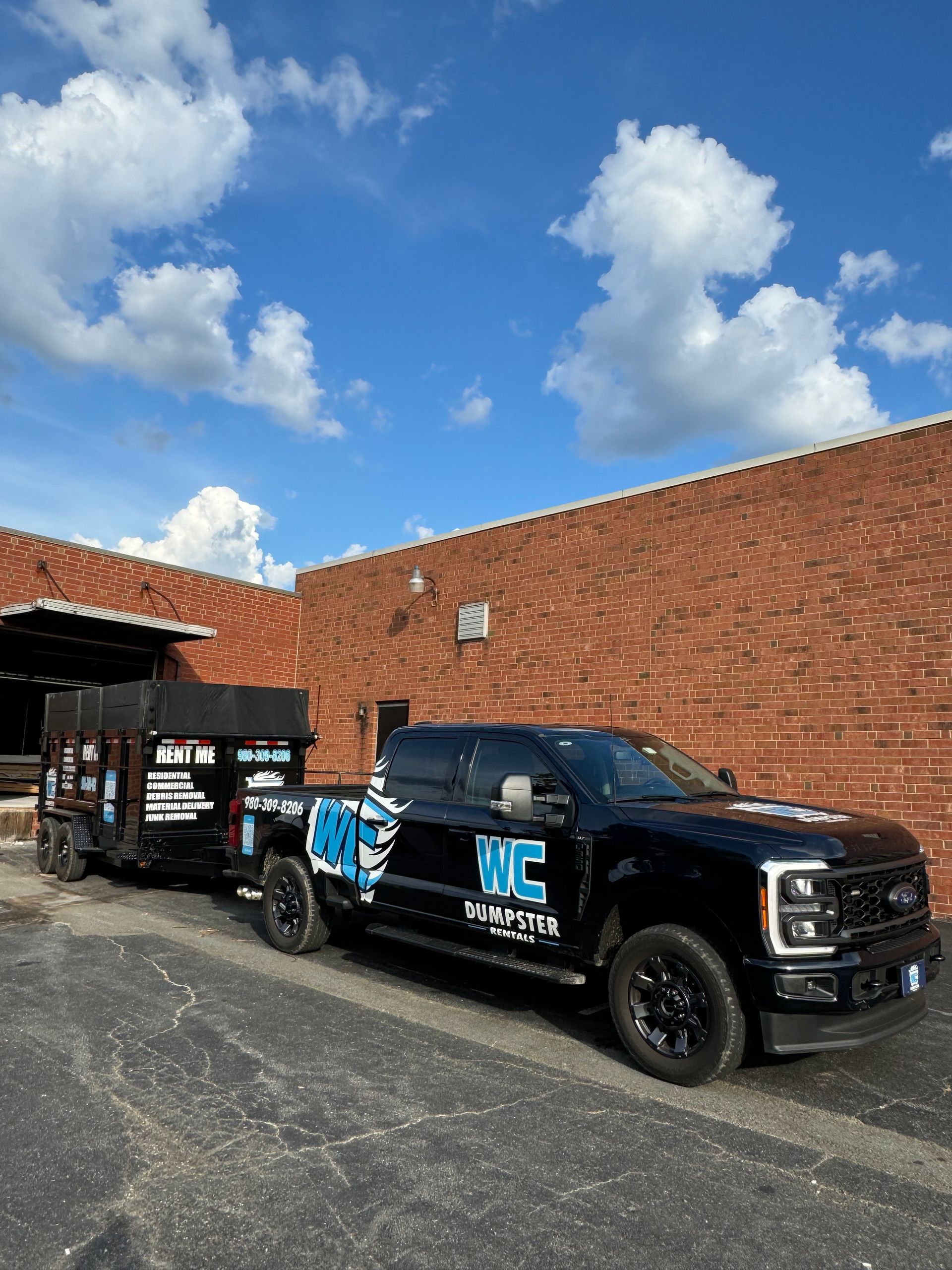
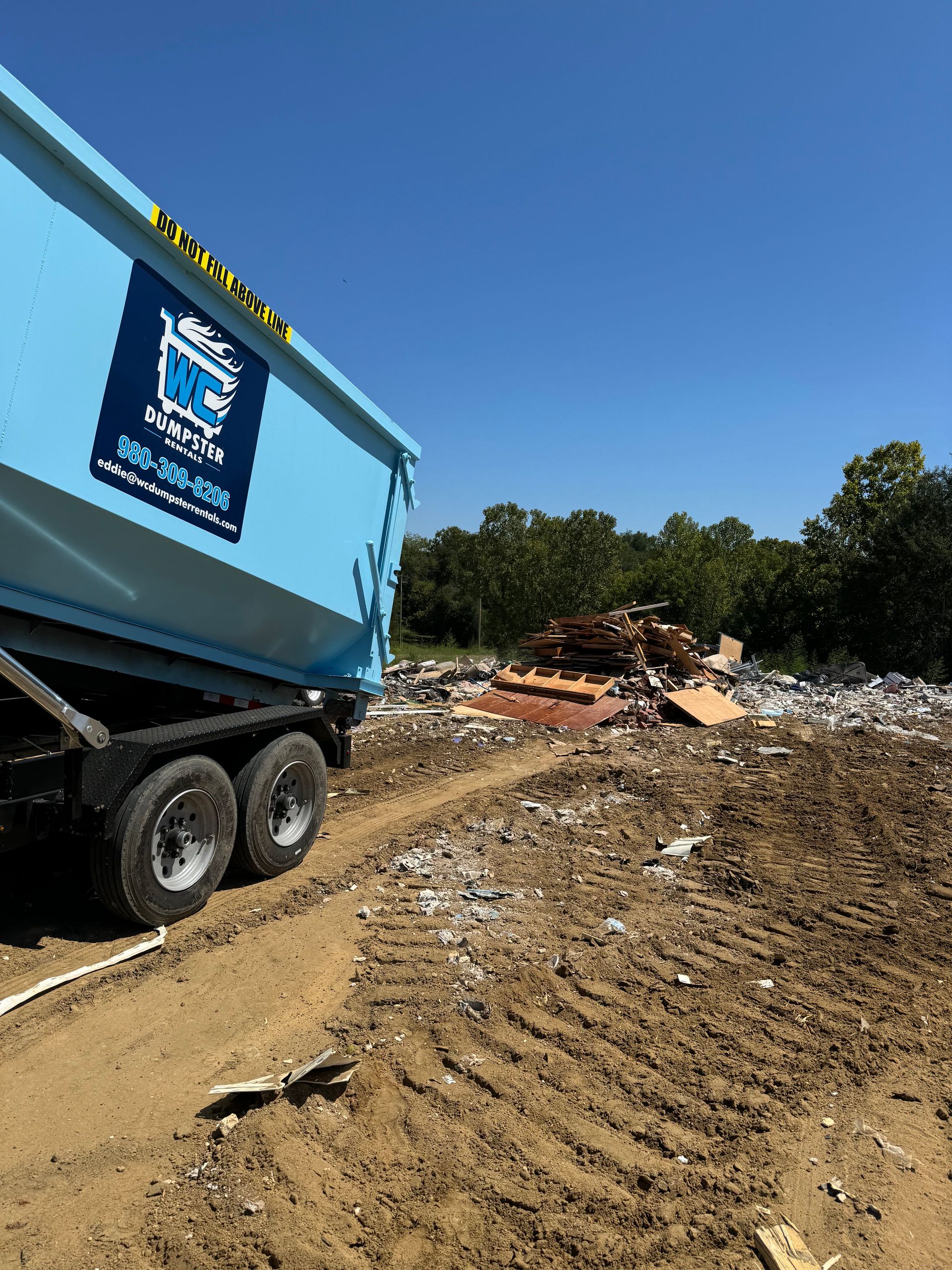
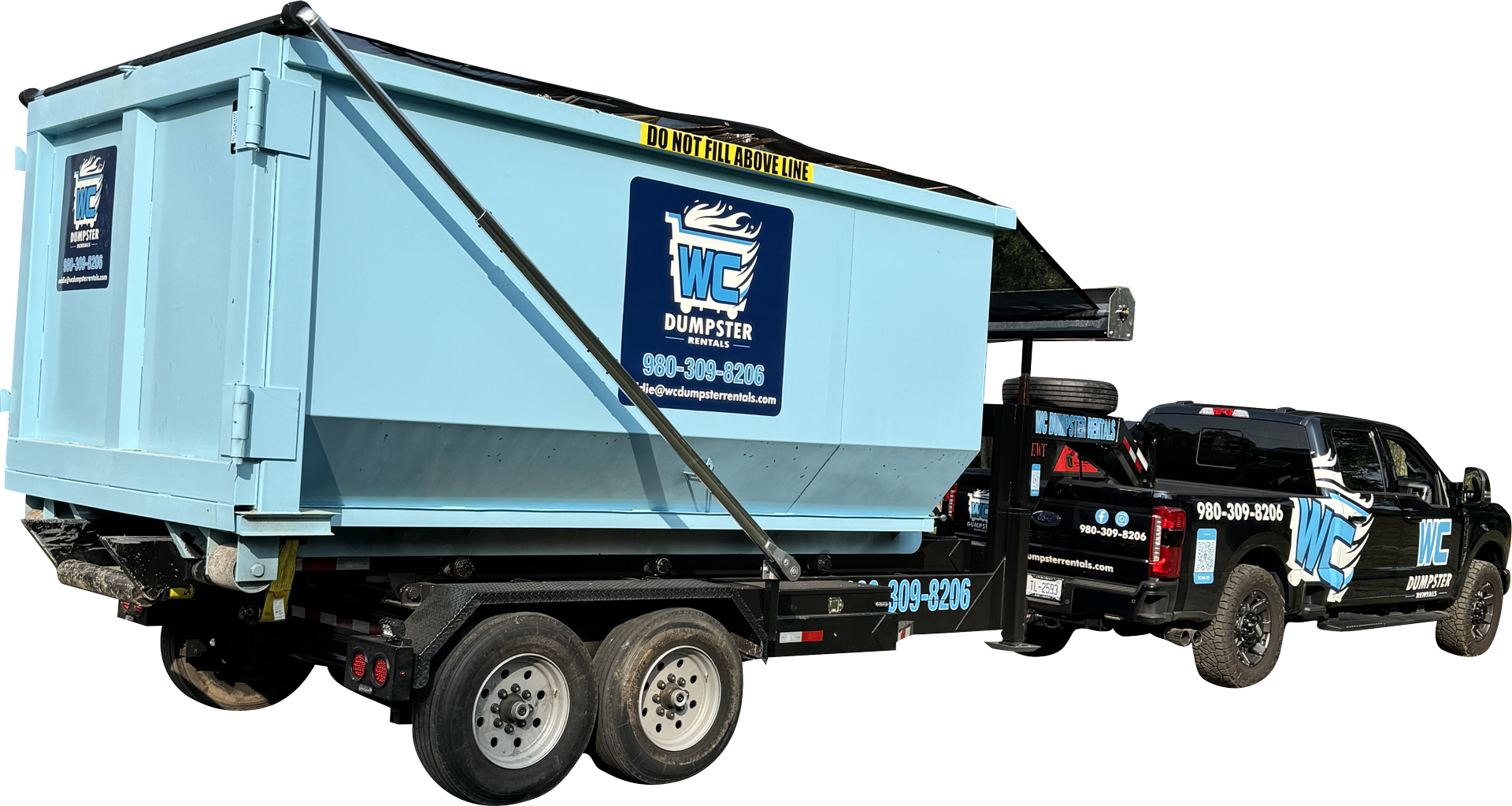
Scheduling a dumpster rental in Charlotte NC before the first wall comes down is one of the most practical decisions a homeowner can make. A roll-off container staged on the driveway or job site keeps debris contained, reduces safety hazards for workers and family members, and eliminates the back-and-forth of hauling loads to the transfer station throughout the project.
This post covers how to choose the right container size for a renovation, what debris is accepted, where to place the dumpster during active construction, and how to time the rental period so it lines up with the project from start to finish.
Why Home Renovations Generate More Waste Than Expected
Most homeowners underestimate debris volume when planning a renovation. A bathroom remodel sounds like a contained project until the tile work starts: old floor tile, cement board, drywall, vanity, toilet, tub surround, and trim all come out before anything new goes in. A mid-size bathroom remodel routinely produces one to two full pickup truck loads of waste on its own.
Kitchen renovations are even more substantial. Cabinetry alone can fill a compact dumpster. Add countertop material, flooring, appliances, drywall patches, and plumbing fixtures, and a standard kitchen gut produces three to five truck loads of debris without breaking a sweat. Flooring replacement across multiple rooms adds bulk quickly, especially with tile, which is dense and heavy.
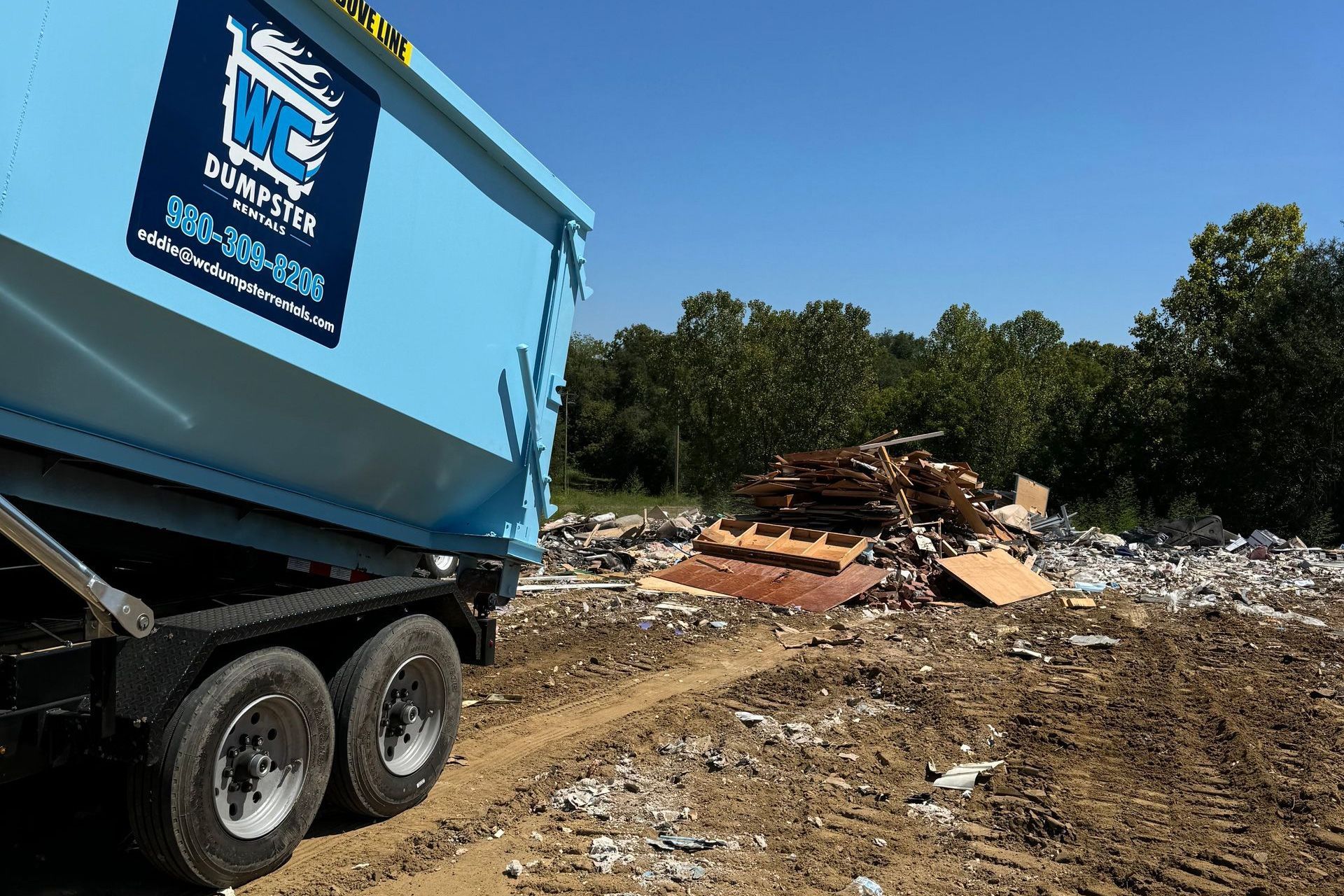
Full interior overhauls, whole-home renovations, and addition teardowns produce debris volumes that make multiple hauls to a transfer station both time-consuming and expensive. A single roll-off container eliminates that problem entirely. Everything goes in one place throughout the project, and one scheduled pickup handles the rest.
The
National Association of Home Builders renovation resources note that construction and demolition debris accounts for a significant share of total waste generated in residential projects. Planning for that volume from day one prevents mid-project bottlenecks.
Choosing the Right Dumpster Size for a Renovation in Charlotte NC
Matching container size to project scope is the most important decision in the rental process. Going too small means ordering a second container mid-project, which costs more and disrupts the work schedule. Going one size larger than initially planned is almost always the smarter call.
10-Yard Dumpster: Single-Room Updates
The 10-yard container handles focused, smaller-scale renovation work. It holds the equivalent of roughly three to four pickup truck loads and works well for single bathroom remodels, cosmetic kitchen updates without a full gut, one-room flooring replacements, or minor drywall work. If the project scope is clearly limited to one space and the debris is mostly lightweight material like drywall and trim, the 10-yard covers it without wasted capacity.
15-Yard Dumpster: Mid-Size Renovations
The 15-yard container is the most versatile option for residential renovations. It holds roughly five to six pickup truck loads and handles full kitchen remodels, multi-room flooring tearouts, moderate interior demolition, or a bathroom gut combined with adjacent room updates. For most Charlotte homeowners working on a single major renovation project, the 15-yard provides enough capacity with room to spare for unexpected debris.
20-Yard Dumpster: Full-Scale Renovation Projects
The 20-yard container is built for large-scale work. It handles whole-home renovations, full gut remodels, addition teardowns, and projects that combine interior and exterior scope simultaneously. For contractors managing active job sites across Mecklenburg County, the 20-yard is the standard choice. It holds six to eight truck loads and can accommodate dense materials like tile and concrete without hitting weight limits on standard loads.
Review all three options and their dimensions on the
available dumpster sizes page before booking to confirm the right fit for the project.
What Renovation Debris Can Go in a Roll-Off Dumpster?
Accepted Renovation Materials
The majority of standard renovation waste is accepted in a roll-off container. Common accepted materials include:
• Drywall and plaster
• Lumber, framing material, and trim
• Flooring: hardwood, laminate, carpet, vinyl
• Ceramic and porcelain tile
• Kitchen and bathroom cabinetry
• Countertops (laminate, solid surface, stone)
• Fixtures: sinks, toilets, tubs, vanities
• Roofing shingles and underlayment
• Insulation (non-asbestos)
• Moderate amounts of concrete, brick, and mortar
Prohibited Materials
Certain materials cannot go into a standard roll-off container due to state regulations and safety requirements. The
EPA guidelines on construction debris recycling and
Mecklenburg County solid waste and recycling both outline specific disposal requirements for hazardous materials. Common prohibited items include:
• Asbestos-containing materials (common in pre-1980 homes)
• Lead paint debris and lead-containing fixtures
• Chemical solvents, adhesives, and cleaning agents
• Paint cans (latex or oil-based)
• Automotive or household batteries
• Electronics and e-waste
• Propane tanks and pressurized containers
For older Charlotte homes built before 1980, it is worth having a licensed inspector assess for asbestos and lead before beginning demolition. Materials that test positive require specialized abatement and disposal through certified contractors rather than standard roll-off containers.
Where to Place the Dumpster During an Active Renovation
Placement planning before delivery day prevents the most common job site problems. The goal is positioning the container close enough to the primary work area that loading stays efficient, while keeping it out of the way of subcontractor vehicles, material deliveries, and household access.
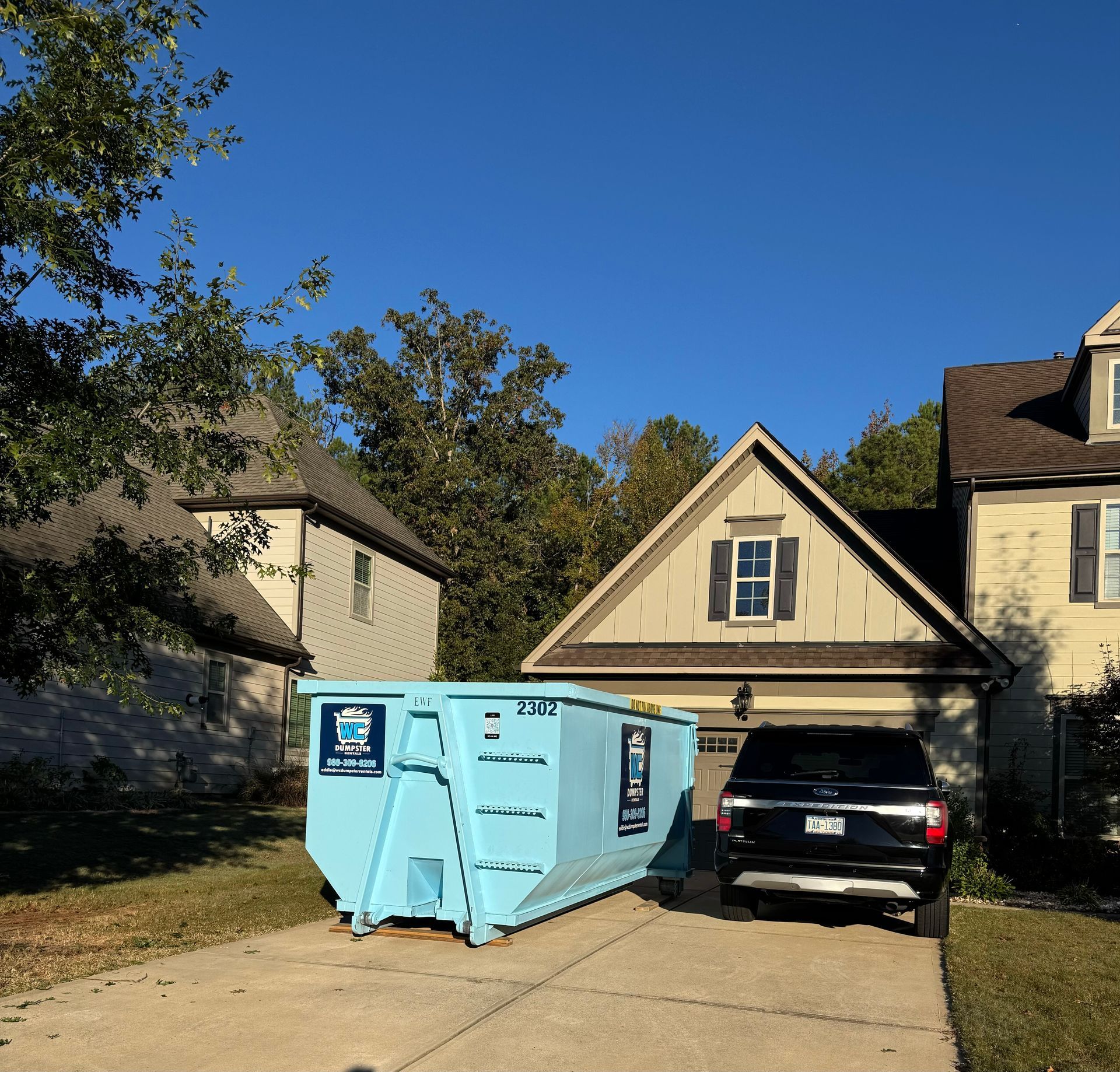
Driveway placement is the standard approach for residential renovations. Most residential driveways in Charlotte and Mecklenburg County are wide enough to accommodate a roll-off container while leaving room to pass. For driveway protection, placing plywood sheets under the container corners before delivery distributes the weight and minimizes pressure on asphalt surfaces, particularly during hot months when asphalt softens.
Check for overhead clearance before the truck arrives. Tree limbs, power lines, and covered entryways can restrict the roll-off arm from raising high enough to position the container safely. Identifying these obstructions in advance and communicating them to the driver ensures placement goes smoothly.
For larger renovation projects where the driveway is occupied by material deliveries or subcontractor parking, street placement may be necessary. In Charlotte, temporary placement of containers on public streets may require a permit from the City of Charlotte or Mecklenburg County. Confirm requirements with the city before scheduling street placement to avoid any issues mid-project.
For multi-phase renovations, consider whether the container needs to be repositioned between phases. A container positioned near the kitchen during demo may need to move closer to the bathroom addition in a later phase. Planning for this upfront avoids unexpected repositioning costs.
How Long Should a Dumpster Rental Last for a Home Renovation?
Rental periods typically range from one day to two full weeks. Matching the rental period to the actual project timeline prevents both the cost of an early pickup extension and the rush to clear the site before the container leaves.
Short tearouts and focused one-room jobs usually work well with a one-to-three-day rental. A weekend crew doing a bathroom remodel can typically fill and finish within that window. For active multi-phase renovations with multiple trades on-site across different days, a full seven-day rental is usually the right baseline.
Larger projects including whole-home gut renovations, combined kitchen and bath remodels, or additions benefit from the full two-week window. This is especially true when the work schedule is subject to material delivery delays or subcontractor scheduling shifts, which are common in Charlotte's active renovation market.
The safest rule of thumb: estimate the project timeline honestly, then add two days. The cost difference between a seven-day and a nine-day rental is far less than the cost of a rush extension or a second container order. Booking conservatively from the start protects the schedule and the budget.
Renovation Dumpster Tips for Charlotte Homeowners
Charlotte's housing stock spans a wide range of ages and sizes, from newer construction in Ballantyne and Steele Creek to older bungalows and ranches in Plaza Midwood, NoDa, and Dilworth. Renovation scope and debris type vary significantly by neighborhood and home age. These tips apply across the range:
•
Load heavy materials at the bottom. Dense debris like tile, concrete, and cabinetry should go in first. Lighter materials like drywall and trim fill the gaps on top. This improves weight distribution and reduces the risk of load shifting during transport.
•
Separate recyclables when possible. Clean lumber, metal framing, and intact fixtures can sometimes be diverted to recycling or salvage programs rather than going straight to the landfill. Mecklenburg County has active recycling infrastructure for construction materials.
•
Keep pathways clear. Maintain a clear walkway around the dumpster for subcontractor access, material deliveries, and household movement. A container that blocks a side entrance or garage door creates daily friction during the project.
•
Coordinate with the general contractor schedule. If a GC is managing the renovation, confirm who is responsible for ordering the dumpster and who handles the pickup call. Miscommunication at this step is one of the most common causes of container overfill fees.
•
Book in advance during peak season. Spring through early fall is the busiest renovation period in Mecklenburg County. Booking the dumpster at least a few days ahead during these months avoids scheduling conflicts.
Homeowners planning a renovation in Mecklenburg County can get full details on local service coverage by visiting the
dumpster rental in Charlotte NC page.
Plan the Renovation Right From the Start
A roll-off dumpster is not an optional add-on to a home renovation; it is part of what keeps the project moving safely and on schedule. Having a container on-site from day one means debris gets cleared as fast as it gets generated, subcontractors have clean access to the work area, and the project wraps without a final scramble to haul everything away.
Charlotte homeowners and contractors across Mecklenburg County have a local option that delivers the right container on time and picks it up when the job is done. Rental periods run from one day to two weeks, and sizing options cover everything from a focused single-room update to a full-scale gut renovation.
To schedule a renovation dumpster or get a quote before the project starts, call
980-309-8206 or visit
our website to book online.