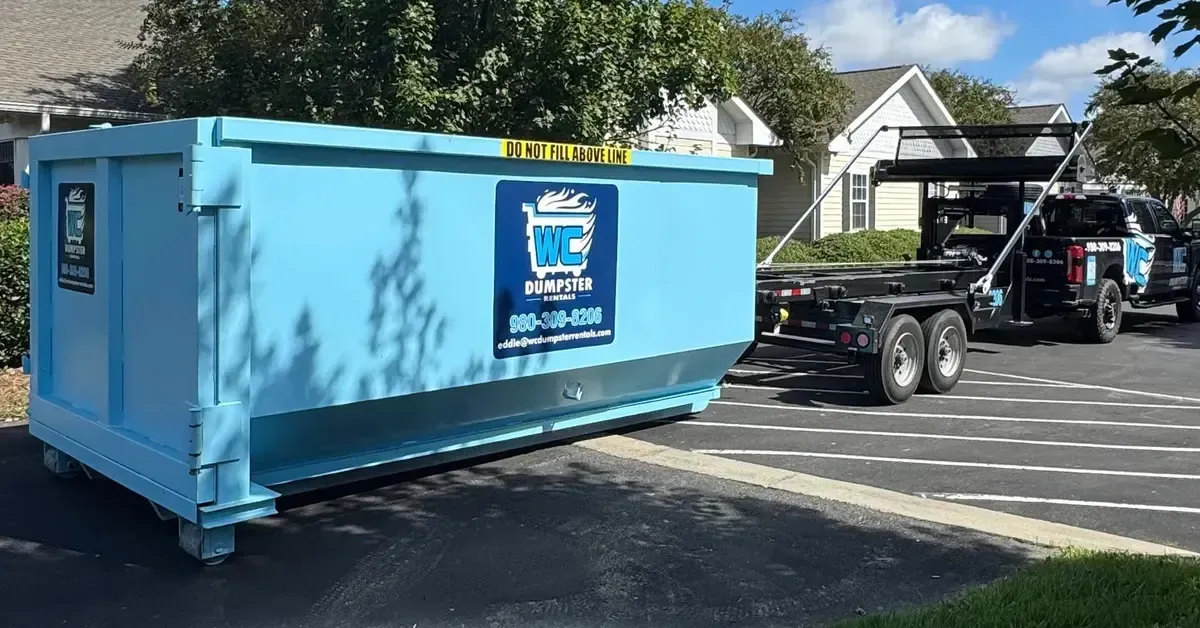
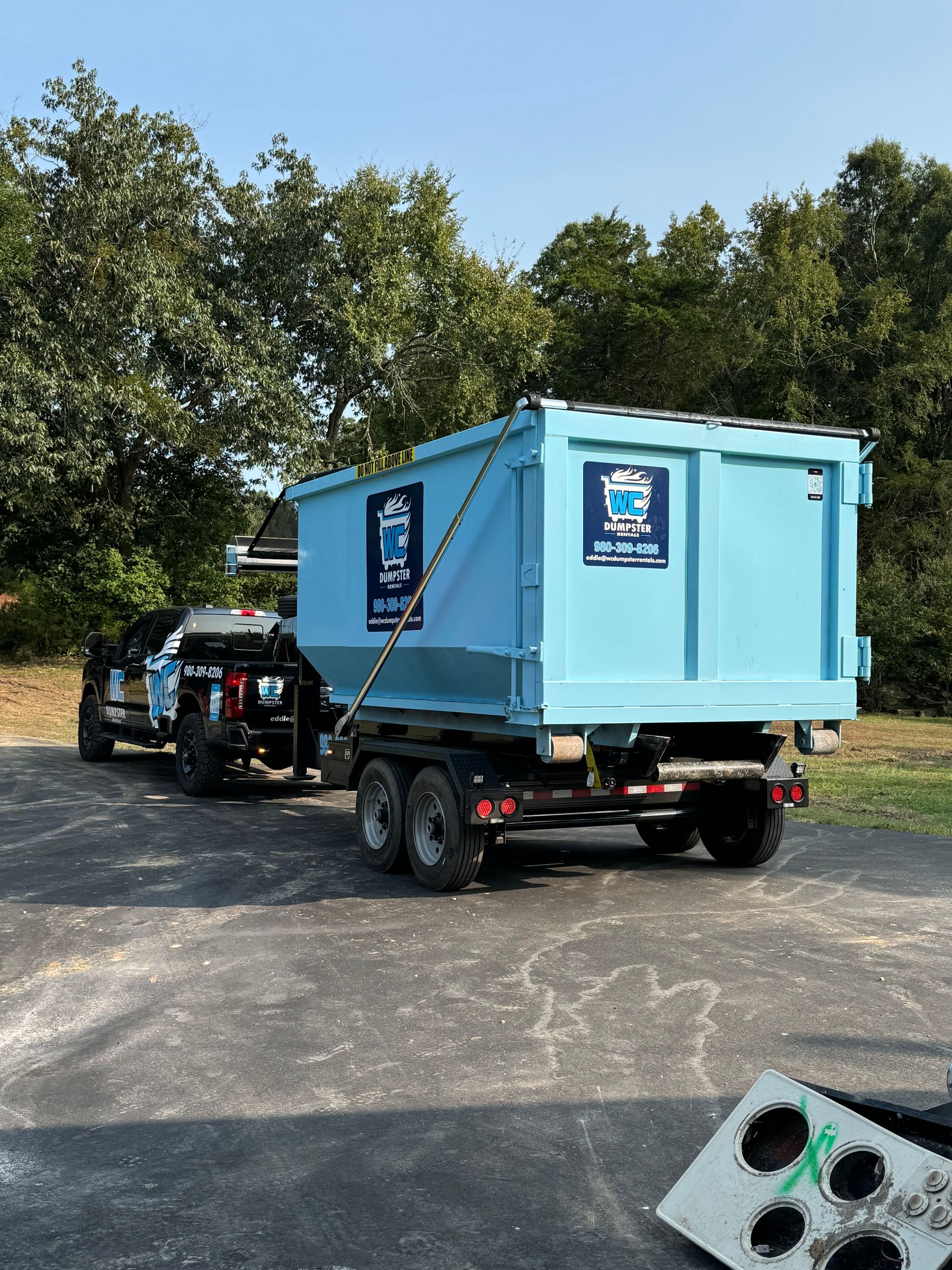
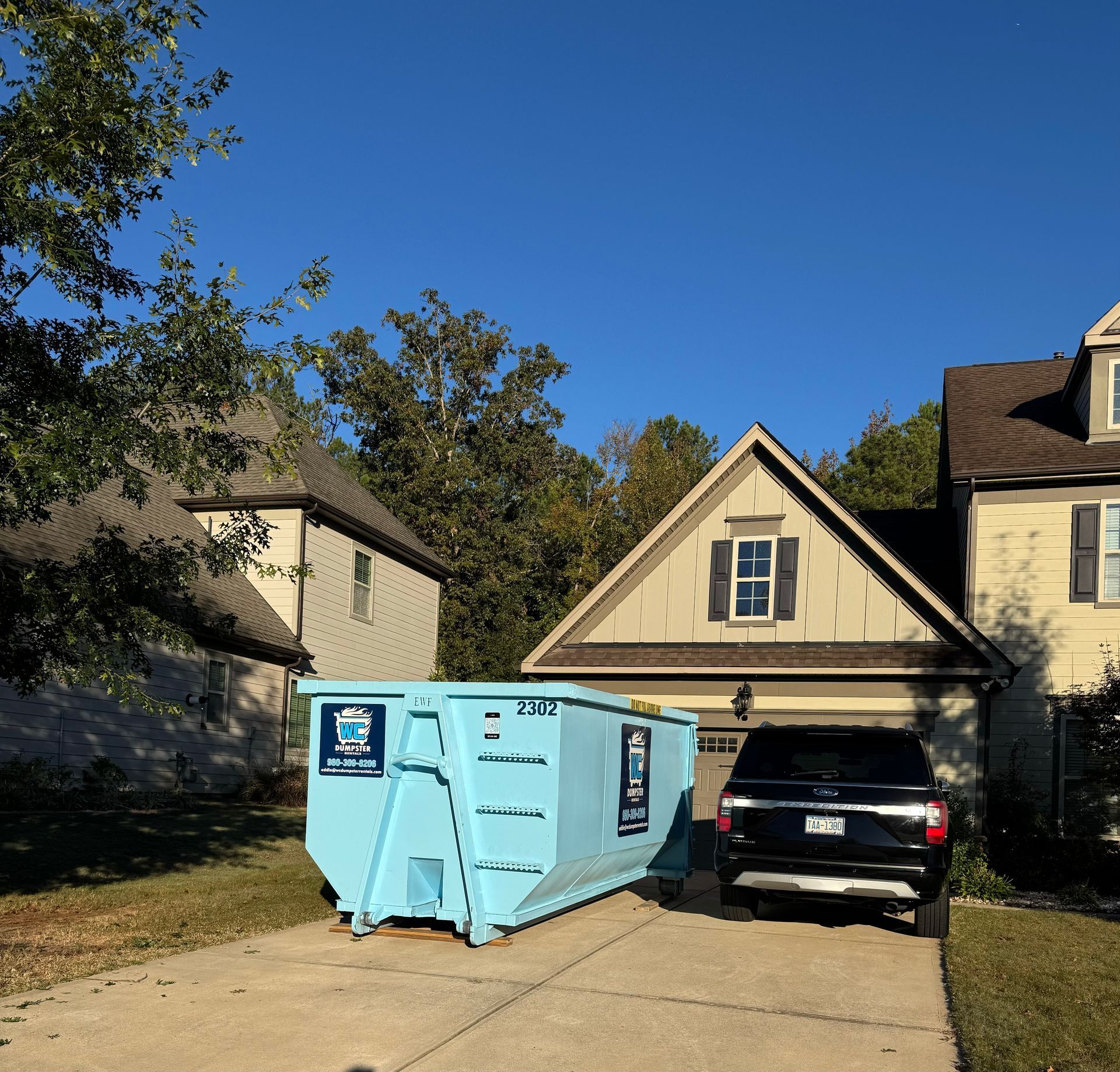
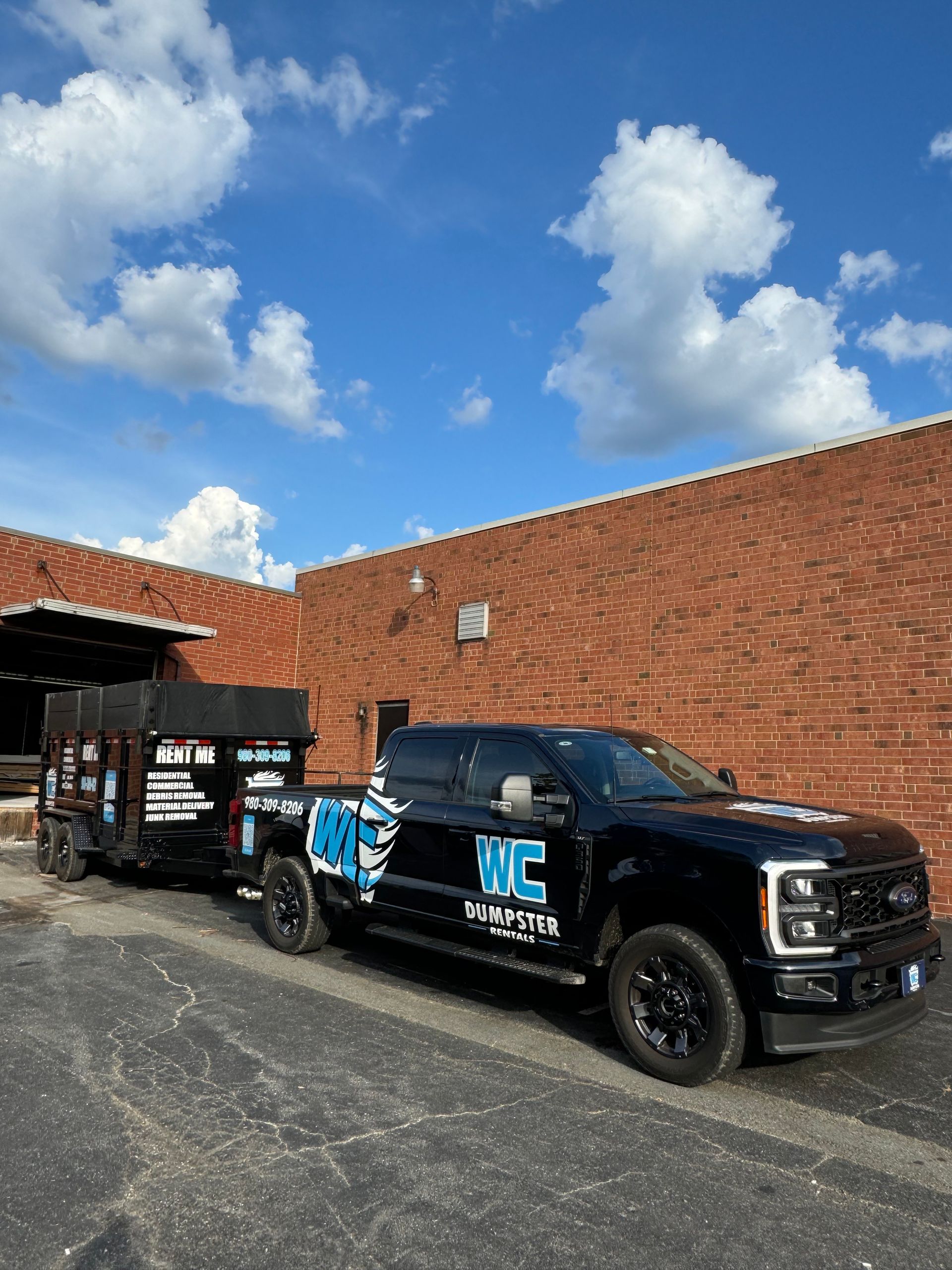
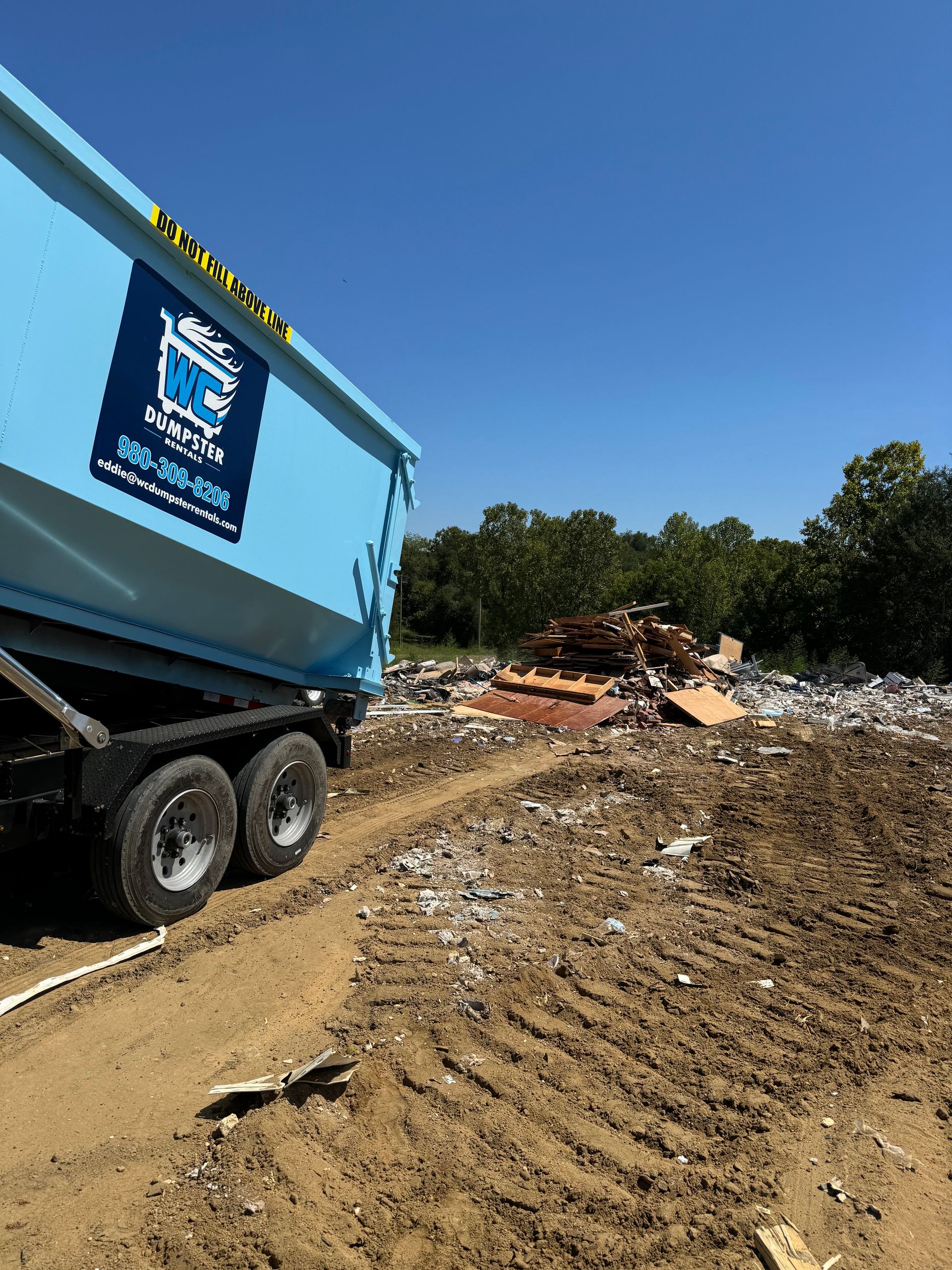
Charlotte contractors need a construction dumpster rental partner that delivers on schedule, swaps out full containers fast, and offers the right size for the job phase. A 10-yard dumpster covers light residential repairs, a 15-yard container handles kitchen and bath remodels, and a 20-yard roll-off fits full renovations, framing, and new builds. Most construction debris, including lumber, drywall, concrete, and roofing shingles, is accepted, while hazardous materials like paint, solvents, and asbestos are not. Contractors running multiple active projects in Mecklenburg County can set up recurring rental arrangements to keep every job site supplied without rebooking each time.
Construction dumpster rental Charlotte NC services exist for one reason: job sites generate debris faster than most crews can plan for, and a dumpster that shows up late or fills up mid-project slows everyone down. A contractor juggling framing, demolition, and finish work does not have time to negotiate delivery windows or guess at container sizes. What matters is a dumpster rental partner that treats job site logistics the way a contractor does, as a schedule that cannot slip.
Charlotte and the surrounding Mecklenburg County area are in the middle of an active construction stretch, with residential remodels, new builds, and commercial build-outs running at the same time across the metro. That pace puts pressure on dumpster availability, delivery windows, and swap-out turnaround. The sections below cover how to size a dumpster correctly for the phase of work, what can go in it, where to place it on an active site, and how to keep debris removal running smoothly across a multi-week or multi-phase project.
Why Job Site Waste Management Matters for Contractors
Debris does not wait for a convenient moment to become a problem. A pile of drywall scraps, broken lumber, or roofing tear-off left in a walkway is a tripping hazard, a liability risk, and a daily obstacle for anyone moving material or equipment across the site. Left unmanaged, it slows down every trade working the job, from framers stepping around scrap to electricians trying to run wire through a cluttered space.
A properly sized
dumpster rental in Charlotte NC, placed in the right spot from day one, keeps a project moving instead of stalling it. Crews work faster when there is a clear, designated place for debris, and supervisors spend less time managing cleanup logistics and more time managing the actual build.
Choosing the Right Dumpster Size for Construction Projects
Dumpster size is one of the most common questions contractors ask before booking, and the right answer depends on the scope and phase of the project rather than the square footage of the building alone. Sizing a container too small means extra swap-out trips and schedule delays. Sizing it too large wastes yard space and rental cost.
10-Yard Dumpster: Small-Scale Work
A 10-yard roll-off fits light residential repairs, single-room renovations, and day-labor jobs that produce a moderate volume of debris. This size works well for smaller punch-list jobs or projects where space on site is tight.
15-Yard Dumpster: Mid-Scale Residential Construction
Kitchen and bath remodels, moderate flooring replacement, and small additions or partial teardowns typically call for a 15-yard container. This size balances capacity with a manageable footprint for residential driveways and lots.
20-Yard Dumpster: Larger Construction and Renovation Projects
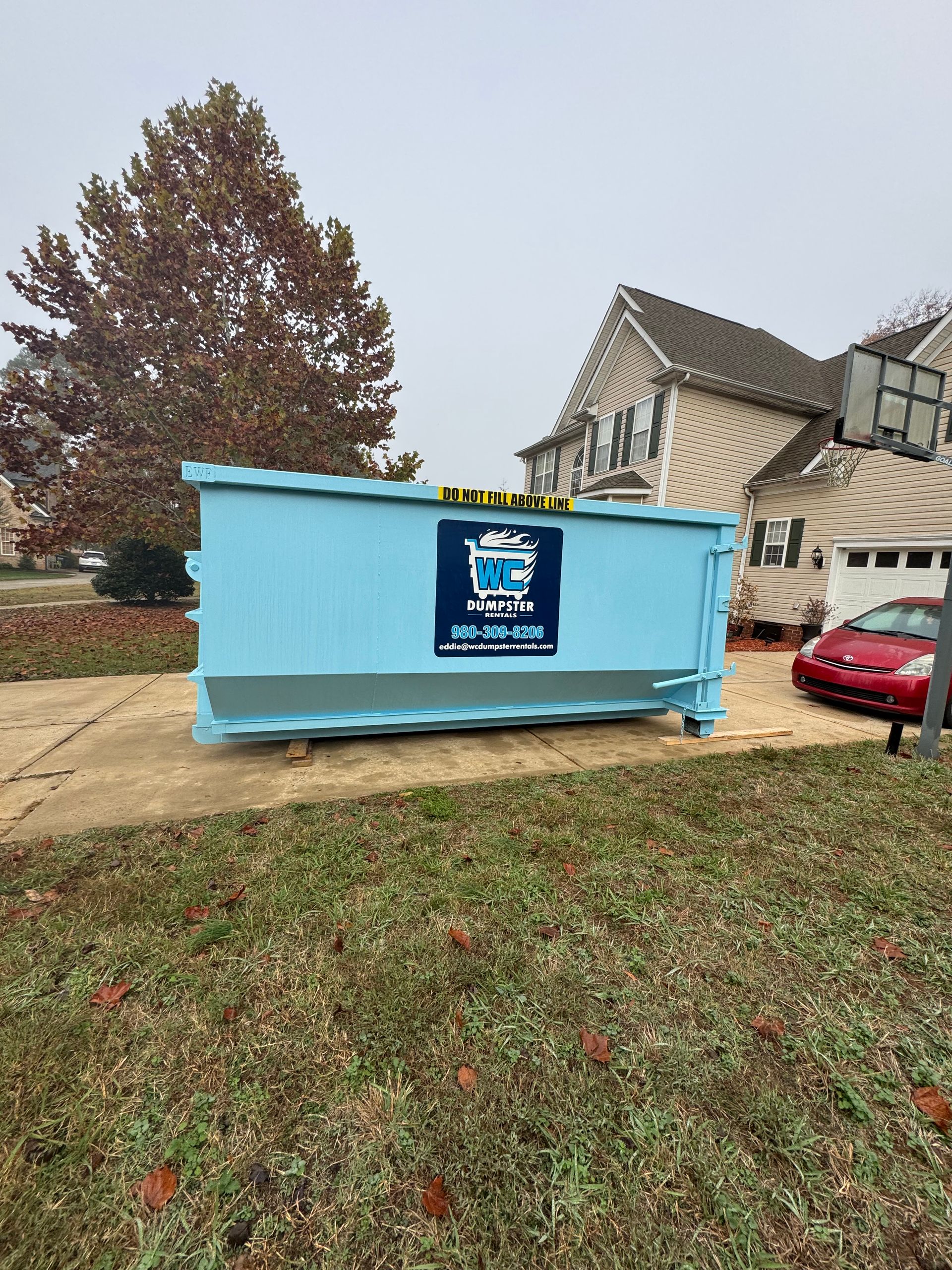
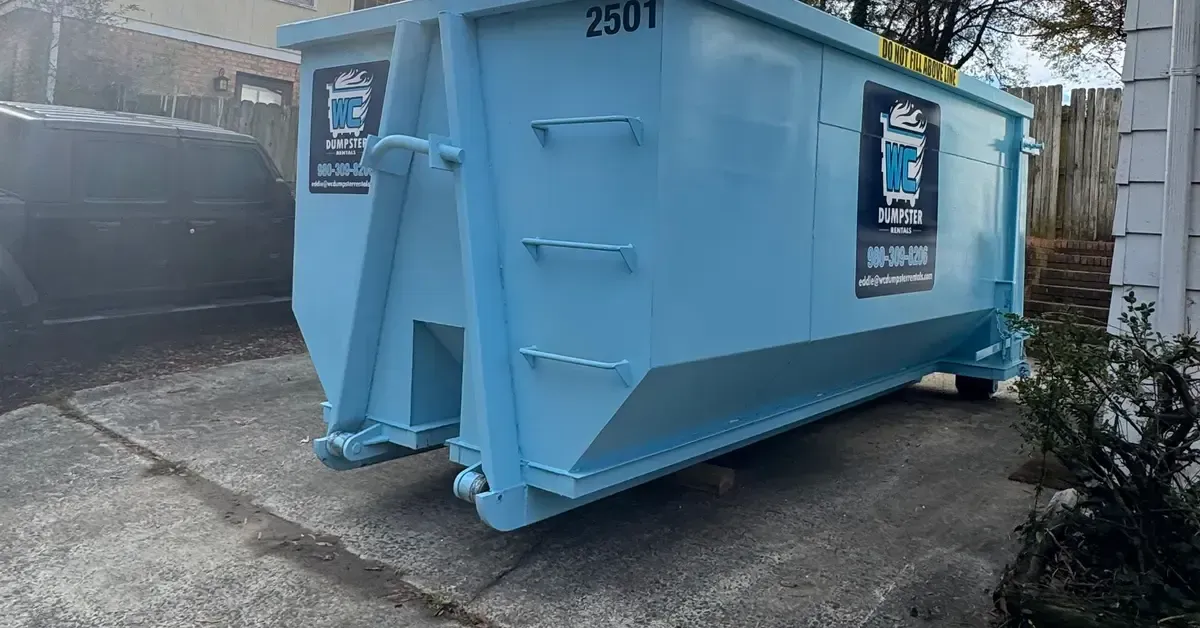
Full gut renovations, framing work, roofing tear-offs, deck removal, and new builds generate a steady stream of debris over multiple weeks, which makes a 20-yard dumpster the right fit for any multi-phase project with ongoing output.
Reviewing
our available dumpster sizes ahead of a bid helps contractors budget debris removal costs accurately before a project even starts.
What Construction Debris Is Accepted in a Roll-Off Dumpster?
Knowing what can and cannot go into a construction debris dumpster in Charlotte prevents rejected loads, extra fees, and delays at the landfill or transfer station.
Accepted Materials
Most job site debris is accepted, including lumber, drywall, concrete within posted weight limits, roofing shingles, metal, insulation, flooring, cabinets, fixtures, windows, and doors.
Prohibited Materials
Hazardous materials are not permitted in a standard roll-off container. This includes paint, solvents, asbestos, batteries, and tires. These materials require separate disposal channels, and the
EPA guidelines on construction and demolition waste outline the proper handling and disposal steps for each category.
Job Site Placement: Getting It Right from Day One
Where a dumpster sits on a job site affects crew efficiency for the entire length of a project. Positioning it too far from the active work area means extra steps and wasted time for every trade carrying debris. Positioning it in the wrong spot entirely can block delivery trucks, equipment access, or a neighbor's driveway.
Key placement considerations include:
- Clearance requirements for delivery and pickup trucks, including overhead space for roll-off trucks to tip and pull containers
- Surface protection for driveways, parking areas, and landscaped surfaces to prevent damage from container weight
- Street permits when driveway access is not available and the container needs to sit on a public right-of-way
Site safety planning should account for dumpster placement alongside other job site hazards. The
OSHA construction site safety resources page covers broader site safety standards that apply to material staging and debris handling on active construction sites.
Delivery and Pickup Scheduling for Active Job Sites
Construction schedules shift constantly, and a dumpster rental partner needs to shift with them. Coordinating delivery with the start of a demolition or framing phase, rather than days in advance, keeps the container useful instead of sitting empty and in the way.
Swap-out service matters just as much as initial delivery. When a dumpster fills before a job phase wraps, a fast swap keeps crews from working around a full container or hauling debris to a secondary pile. Scheduling pickup the moment a job is complete, rather than letting a full or empty container linger on site, avoids unnecessary rental days and keeps the site clear for final walkthroughs or landscaping work.
Recurring Rentals for Ongoing Charlotte Construction Projects
Contractors managing multiple active projects, whether that means several sites in Charlotte or ongoing work that extends toward
dumpster rental in Concord NC and other parts of the metro, benefit from setting up a recurring rental arrangement rather than booking each container as a one-off request.
A recurring arrangement means consistent pricing, a known point of contact for scheduling changes, and faster turnaround when a project timeline moves. For contractors running several job sites at once, this also simplifies tracking which container is at which address and when each one is due for a swap or pickup, since the scheduling details are already established rather than negotiated fresh for every rental.
Charlotte Construction Market: Why Reliable Waste Removal Matters Now
Charlotte and Mecklenburg County are in the middle of a sustained construction stretch, with residential remodels, new subdivisions, and commercial build-outs all competing for the same contractors, crews, and equipment. That pace extends to dumpster rental availability as well.
More active projects across the metro means more competition for dumpster availability during peak scheduling windows. Booking ahead and building a relationship with a local provider that understands the Charlotte market reduces the risk of a delivery delay holding up a job that is already on a tight timeline.